About Tico Vos
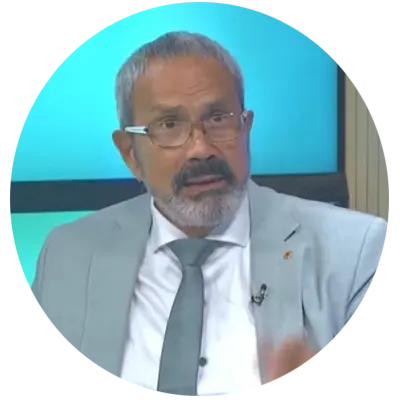 Tico Vos is a Curaçaoan photographer, multimedia producer, and cultural-historical commentator whose work keeps returning to one question: what does a people choose to remember, and who decides?
For years, he has documented Curaçao, its faces, its history, its arguments with itself, across photography, radio, television, and independent digital media, in Papiamentu, Spanish, English, and Dutch.
His photography has been published locally, regionally, and internationally. He does not treat an image as decoration. He treats it as memory: a record of identity and meaning meant to outlast the moment it captured. The same instinct runs through his work as a videographer and producer, from broadcast to digital platforms, where the goal is never simply to fill airtime but to inform, to question, and to connect.
That work reaches audiences through several platforms he develops and leads: NOSTEVE (television), Anfitrión (radio and interviews), Tico Vos Photography, Patria Amor, and ProTur (Professionals in Tourism). Each speaks to a different audience and is built around the same purpose: to inform, raise awareness, and open real dialogue.
Tourism, examined rather than sold
Tico Vos is also a critical tourism analyst and development specialist. Where the industry sells sun, sand and sea, he asks the harder questions: what tourism actually does to a small island economy, who benefits, who carries the cost, and what a more sustainable and conscious model would look like. He does not simply promote tourism. He examines it in depth and expects it to answer for its impact.
Recovering the past through research
Under the banner Nos Ke Sa, meaning "we want to know," and through the method he calls RAIS, Rekobrando Através di Investigashon Spiritu di Pasado, recovering the spirit of the past through research, he writes essays, articles, and position papers that reopen Curaçao's history where the record has gone quiet. The 1795 struggle and Tula. The colonial archive and the vocabulary inherited from it. The island's place in the Kingdom of the Netherlands and in the wider Caribbean. His method is consistent: separate evidence from interpretation, name what is still unknown, and make the corrected truth findable rather than leaving it buried in archives most Curaçaoans will never read.
His approach is what he calls living history. He not only studies the past. He documents the present as history in the making, recognizing the people who shape it, and honoring them while they are still here to be thanked.
In his own words
I have never believed in waiting for the right moment to say what needs to be said. I document what I see, but more than that, I try to document what must be remembered, before it is lost, and before it is told back to us by people who were never here. My work rests on a simple conviction: that memory carries responsibility, and that the truth is worth the patience it takes to find. We answer for what we record: to the people in it, to those who come after us, and, as I understand it, to something higher than any audience.
I don't document only what I see. I document what must be remembered, before history, and before Jehovah.