Nos Ke Sa. We Must Know.
Curaçao's history, culture and place in the world, examined with evidence and told without apology. Presented by Tico Vos.
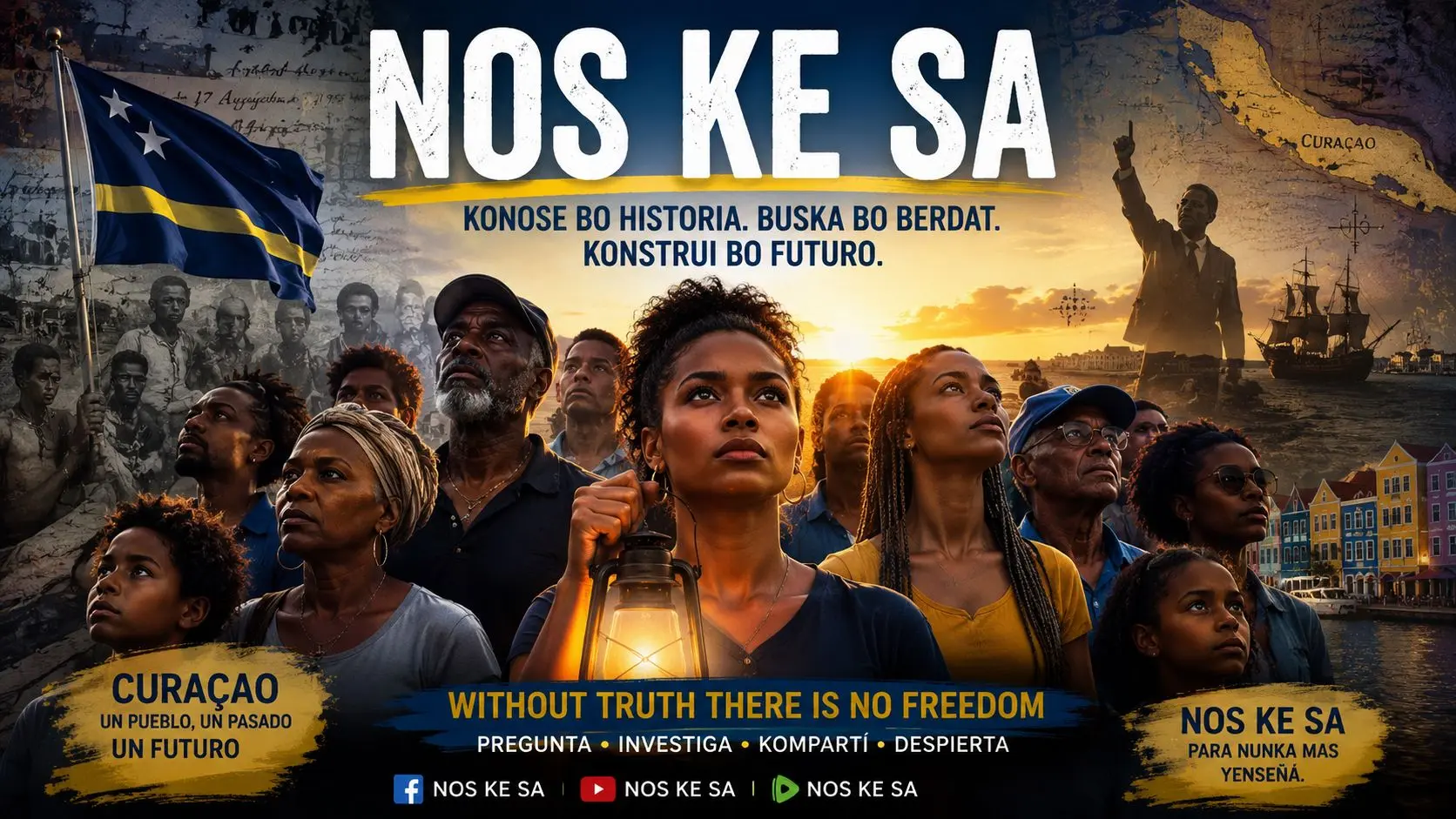
This is a place for people who are not satisfied with the short version. For more than a generation, I have documented Curaçao through photography, radio, television, and the written word, in Papiamentu, Spanish, English, and Dutch. The work all turns on one question: what does a people choose to remember, and who gets to decide?
Under the banner Nos Ke Sa, and through the method I call RAIS, recovering the spirit of the past through research, I reopen the parts of our history where the record has gone quiet. I separate evidence from interpretation, name what remains unknown, and try to make the corrected truth findable rather than leave it buried in archives most Curaçaoans will never read.
What you will find here
History and Memory
1795, Tula and the freedom fighters, slavery and its long shadow, and the Curaçaoan figures the record tried to bury. Reading the colonial archive against itself.
Geopolitics and the Kingdom
Curaçao in the world: the relationship with the Netherlands, security and sovereignty, Venezuela and the region, and who will control our digital future.
Tourism, Examined
Not sun, sand and sea. What tourism actually does to a small island economy, who benefits, who carries the cost, and what a more conscious model would look like.
Society, Faith and Culture
Faith and history, culture and identity, reflections on public life, and tributes to the people who shaped the island while they were still here to be thanked.
Beyond the writing
The story is told in more than words.
Gallery
Photography as memory. Faces, places and moments recorded to outlast the day they were taken.
Videos
Television and interviews from NOSTEVE, Anfitrión and the wider media work.
Downloads
The evidence room. Position papers, sourced long reads, and primary documents you can hold up to the light yourself.
History does not belong only to the people who wrote it down. It belongs to the people who lived it and to those who come after. That is the work of Nos Ke Sa, and you are welcome to it.